finance
Corpus Christi Job Market: What Drives Employment Trends Locally
Understanding what shapes local employment trends helps workers, businesses, and policymakers navigate an evolving economy.
How we reported this
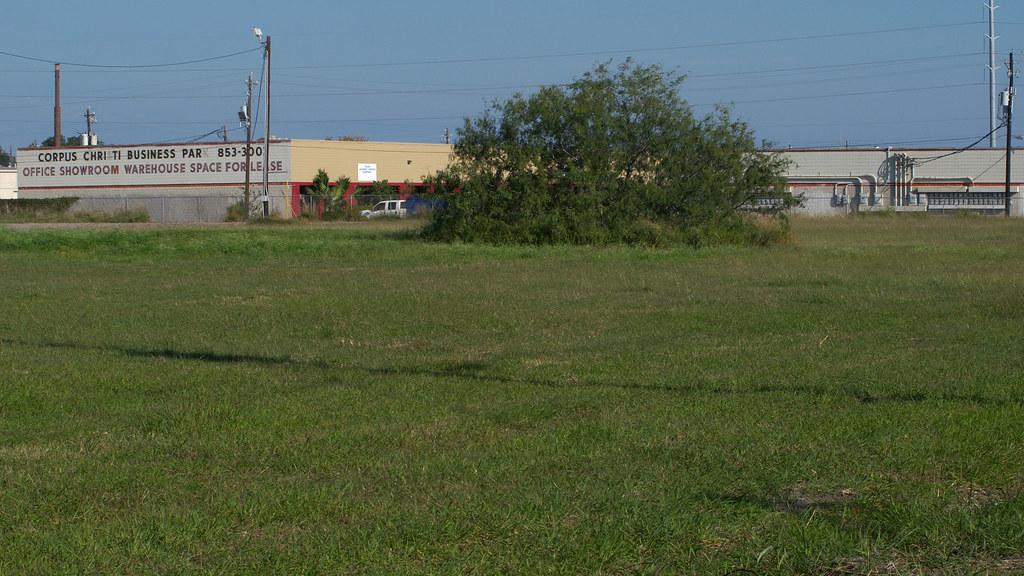
Corpus Christi's employment market is shaped by a complex interplay of economic indicators and investment flows, factors crucial for anyone connected to the city's vibrant business community. While specific local data from recent reports are limited, examining broader economic signals sheds light on the current state and potential trajectory of the job market here.
Why Economic Indicators Matter Now
The significance of understanding economic indicators and investment flows has grown amid global uncertainty. Fluctuations in international trade routes, as seen in conflicts impacting the Strait of Hormuz, indirectly ripple through energy and shipping sectors central to Corpus Christi's economy. The city's status as a major port and industrial hub means that employment trends here can respond quickly to wider geopolitical and market shifts.
With government and private investment decisions influenced by these global events, the pace of job creation or loss within local industries depends heavily on such external economic signals. Local workers and businesses benefit from insight into these indicators to position themselves effectively for upcoming changes.
Local Employment Market in Context
Corpus Christi’s economy spans petrochemical processing, shipping, manufacturing, and service sectors. While we do not have access to fresh official employment statistics for the city right now, normal patterns suggest that employment levels closely track investment flows in these core industries. Investment influxes typically bring job growth and wage pressure, while slowdowns can tighten hiring.
Key infrastructure such as the Port of Corpus Christi, one of the nation’s largest, acts as a barometer for the job market. Increased shipping activity tends to spur hiring in logistics, transportation, and supporting services. Similarly, developments in petrochemical facilities directly impact roles in manufacturing and engineering.
Though specific Corpus Christi figures are unavailable, local employers and policymakers can watch for signals such as capital expenditures in regional refinery upgrades or shipping volume increases to gauge employment prospects. Monitoring announcements from major players in regional business helps anticipate workforce demands.
Looking Ahead for Workers and Businesses
For local job seekers and employers alike, understanding that employment trends respond to broader economic indicators offers practical guidance. Keeping an eye on energy market developments, global trade routes, and investment announcements can provide advance notice of changes affecting hiring conditions.
Local economic development groups and chamber organizations typically provide resources and forums to discuss emerging trends, helping stakeholders adapt plans accordingly. While precise forecasting is challenging during uncertain global conditions, a focus on how investment flows impact Corpus Christi’s key industries remains the best approach to navigating the employment market today.
In summary, even without new quantitative data, appreciating the connection between economic signals and employment dynamics equips Corpus Christi’s workforce and business leaders to make informed decisions facing an interconnected and shifting economic landscape.
This article is general information only and is not personal financial or investment advice. Consider your own circumstances and seek licensed professional advice before making financial decisions.