news
Traffic Congestion Reshapes Work and Family Schedules Across Corpus Christi
Residents experience direct effects on work, family schedules and local access that extend across neighborhoods and businesses.
How we reported this
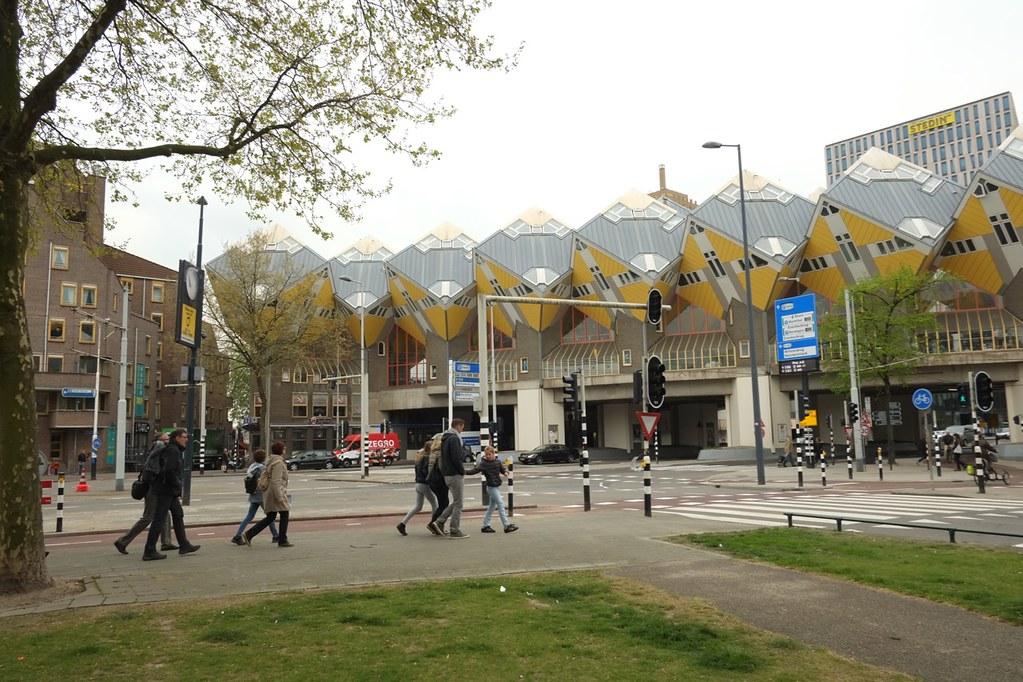
Corpus Christi residents face regular delays on major routes that alter how they reach jobs, schools and essential services each day.
These patterns matter now because they intersect with ongoing city growth and the need for reliable movement between homes and workplaces. When travel times stretch, families adjust meal times, child care arrangements and after-work activities, creating ripple effects that touch community cohesion and individual well-being.
Effects on Daily Access
Longer drives limit time available for local errands or visits to parks and community centers. People who rely on consistent arrival windows for shift work or medical appointments find their options narrowed when congestion builds during peak periods. Businesses notice changes in customer foot traffic when drivers reroute to avoid slow stretches, which in turn influences staffing needs and operating hours.
Qualitative reports from area commuters show that repeated delays contribute to higher fuel use and vehicle wear. This adds personal costs that accumulate over months and affect household budgets already stretched by other expenses. Neighborhoods farther from central employment zones feel these pressures more sharply, as residents must plan extra buffer time into every trip.
Broader Community Considerations
Schools and youth programs report occasional late arrivals tied to morning traffic, which disrupts start times and after-school coordination. Public safety responders navigate the same roadways, so slower movement can influence response intervals during busy hours. Local organizations that coordinate events or volunteer efforts must factor travel reliability into their planning to maintain participation levels.
City planning documents emphasize the value of monitoring volume trends and exploring incremental improvements such as signal timing adjustments or added transit options. Residents can review updates from municipal transportation offices and consider alternate departure times or carpool arrangements when schedules allow. Checking real-time route information before leaving remains a practical step for minimizing avoidable holdups.